How to Play Slot Grind
Master the spin-buy-upgrade loop that turns one lever into a full automated casino.
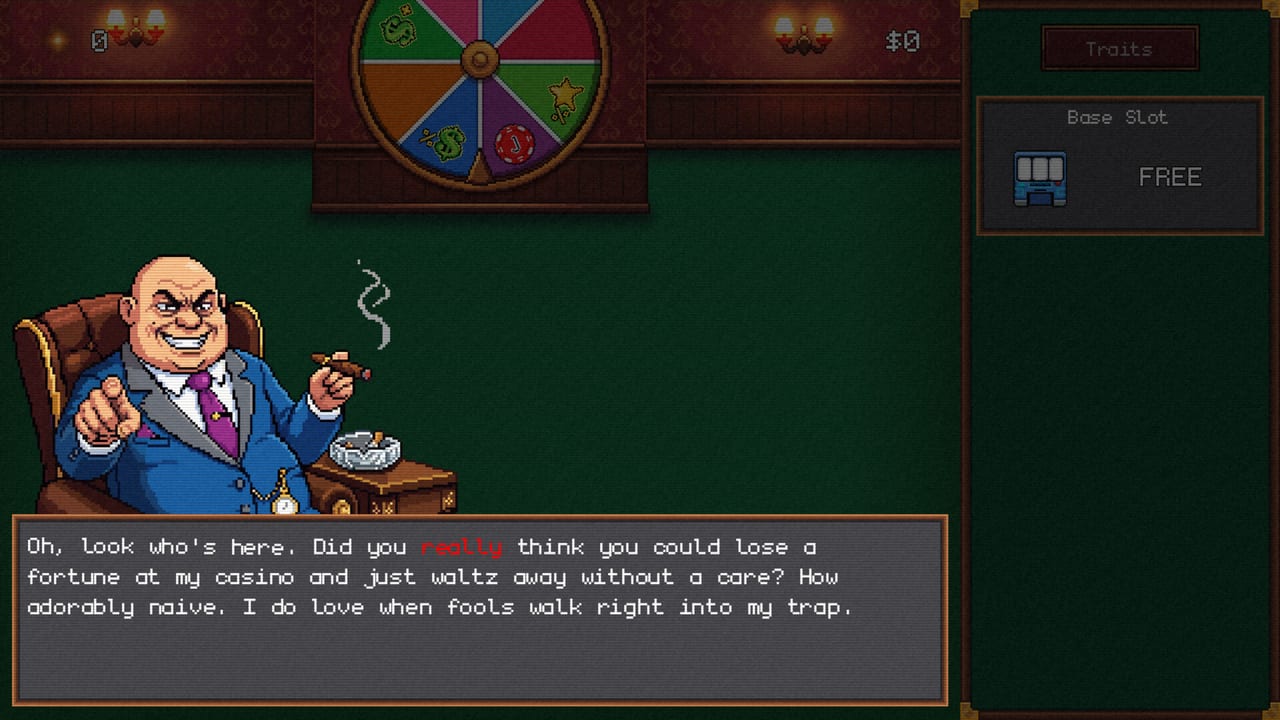
Slot Grind by OneMoreSystem is an incremental idle game built around a simple promise: every pull of the lever should feel like progress. You start on an empty casino floor with a single slot machine, a modest bankroll, and a growing list of debts waiting at the end of the campaign. Your job is to spin, earn, reinvest, and scale until the entire floor runs itself and every obligation is paid. This guide explains the core loop so your first hour matches what experienced players do on autopilot.
The game released on Steam August 4, 2026 for Windows and macOS at roughly $4.49, with a free demo (AppID 4657460) that teaches the same fundamentals. Expect the full campaign to last about one to three hours — short by idle standards, but dense with upgrade decisions.
The Core Gameplay Loop
Every session follows the same rhythm:
- Spin — Click or press the interact key on an active machine. Early on this is manual; later, automation handles it.
- Earn — Payouts land in your cash pool. Higher-tier symbols and upgraded reels increase per-spin value.
- Reinvest — Spend earnings on new machines, per-machine upgrades, automation modules, or skill-tree nodes.
- Expand — Each purchase raises your income ceiling. Income is multiplicative: more machines × faster spins × better payouts.
- Pay debts — At set milestones, cash must be routed to debt clearance instead of upgrades. Missing the timing slows skill unlocks.
Treat cash as temporary. Hoarding beyond the next meaningful purchase rarely helps because Slot Grind escalates machine costs and debt thresholds in step with your earnings. The loop feels best when you are constantly one upgrade away from a visible spike on the income graph.
Your First Fifteen Minutes
Open the game, read the on-screen prompt, and spin your starter slot until you can afford the first speed or payout upgrade offered in the UI. Prioritize whichever upgrade the tutorial highlights — usually spin speed — because faster spins mean faster second-machine savings.
Buy your second machine as soon as the shop allows. Two active reels double baseline throughput even if the second machine is a lower tier. Floor space is generous early; placement matters more after automation (see How to Automate Slot Grind).
Do not rush the skill tree immediately. One or two foundational perks are fine, but machine count typically beats isolated perk picks in the first ten minutes. For a tighter opening route, follow Early Game Walkthrough and cross-check Beginner Tips.
Mid-Game Transition: When to Stop Clicking
Manual spinning dominates early income. The pivot point arrives when automation unlocks appear in the shop or skill tree — often around the third or fourth machine depending on upgrade order. At that moment, shift spending toward auto-spin modules before buying decorative high-tier slots you cannot yet feed.
Automation is the game’s identity feature: you are building a casino that runs while you plan the next debt payment. Read How to Automate Slot Grind before you overspend on machines that still require babysitting. The Automation Unlocks reference lists exact purchase gates.
Parallel to automation, begin mapping the skill tree. Nodes that boost all machines — global payout percent, spin speed auras, offline earnings — outperform single-machine buffs until your floor is crowded. How to Progress the Skill Tree explains branch order; Early Perks names the highest-ROI picks.
Debts, Goals, and Winning the Campaign
Debts are not optional side quests. They gate new machine tiers, skill branches, and story beats. When a debt notification appears, open the ledger, note the amount, and decide whether you can pay now or need one more upgrade cycle. Paying early frees mental bandwidth; delaying can be correct if a pending unlock doubles income before the due date.
The win condition is clearing the final debt stack with a fully upgraded, mostly automated floor. How to Pay Off Debts covers timing tricks, and Debt Payoff Walkthrough sequences the last thirty minutes.
Controls and Quality of Life
Slot Grind intentionally keeps inputs minimal. Left-click spins active machines; menus handle purchases. Full keybinds and system requirements — Windows 10, macOS 10.15, 1 GB RAM, OpenGL 3.3 — live on Controls and System Requirements. If frames drop on an older MacBook, lower resolution before reducing game speed; spin calculations are lightweight.
Where to Go Next
After this primer, branch by bottleneck:
- Stuck on income? Machine Upgrade Priority and Tier List: Upgrade Order.
- Cannot afford new slots? How to Unlock Machines.
- Hands tired? How to Automate.
- Achievement hunting? Achievements List after the campaign.
Return to Guides Hub anytime for the full index, or browse Wiki Home for updates and review coverage.
Frequently Asked Questions
Quick answers for Slot Grind players.
What is the main goal in Slot Grind?
Build a profitable casino floor, automate your slot machines, progress through the skill tree, and pay off every debt to complete the campaign.
Should I upgrade one machine or buy a new one first?
Usually buy the next machine once a second slot is affordable, then alternate speed upgrades with automation. A wider floor scales faster than a single maxed reel.
How long is Slot Grind?
Most players finish in one to three hours. The demo covers the opening loop; the full game adds later debts, machines, and achievements.
Is Slot Grind idle or active?
Both. You click actively early, then automation and idle earnings take over while you manage upgrades and debt payments.
Does the demo teach the same rules as the full game?
Yes. Spinning, upgrades, automation, and early skill nodes work identically. Full release content extends the machine roster and debt ladder.