Slot Grind Machines Overview
Understand every machine tier, upgrade lane, and unlock gate before you reinvest your next paycheck.
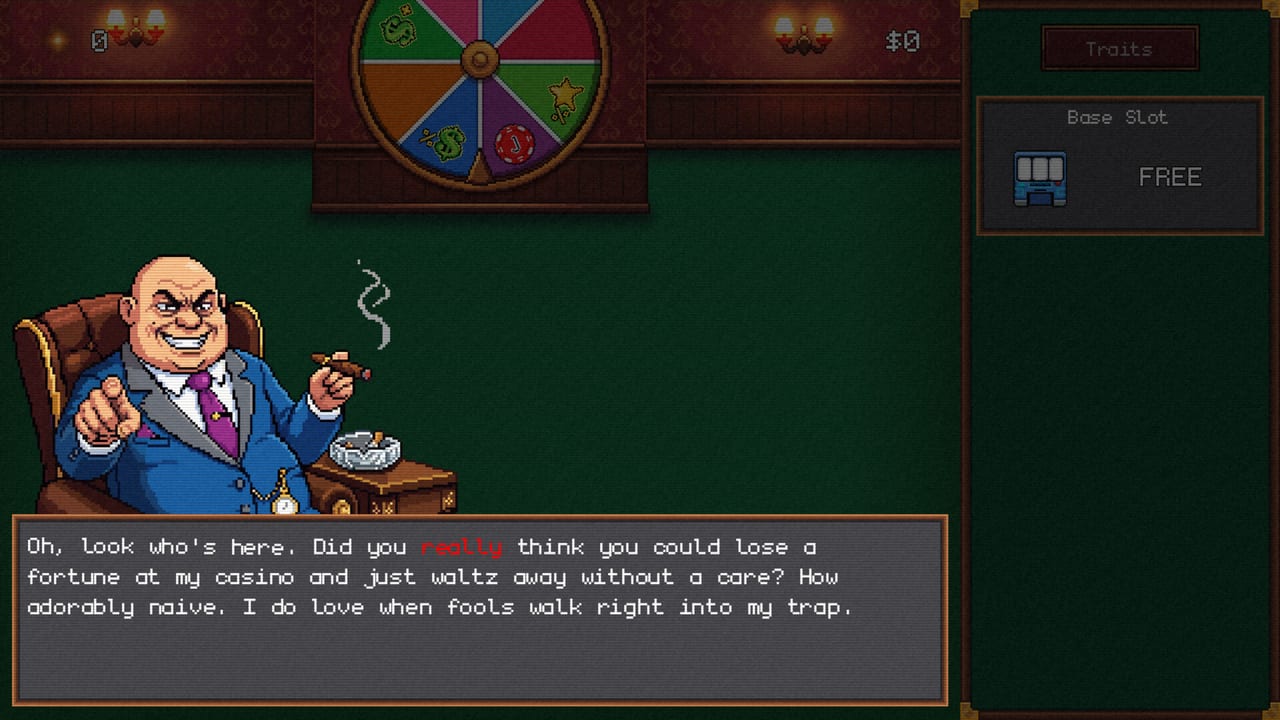
Slot Grind machines are more than decorative casino props — they are the primary engine that converts your time (and later, automation) into cash for upgrades, skill nodes, and debt clearance. OneMoreSystem’s incremental design keeps the roster readable: a handful of slot tiers, three upgrade lanes per machine, and automation modules that stack on top. This overview explains how the floor works so your next purchase matches the campaign phase you are in.
The full game on Steam (AppID 4619420, released August 4, 2026) runs about one to three hours. Machine mistakes are recoverable but costly in a run that short. Treat this page as a map; use Upgrade Priority and Automation Unlocks for purchase-by-purchase advice.
The Casino Floor as an Income Grid
Your floor is a spatial grid where each slot occupies a tile and spins independently once activated. Income is the sum of every machine’s per-spin payout multiplied by spin frequency. There is no hidden combo system — scaling is honest multiplication.
Machine count adds parallel income streams. Spin speed upgrades shorten the animation and cooldown between payouts on a single reel. Payout upgrades raise the cash value per successful spin. Automation modules remove the need to click each machine manually.
Early game feels slow because one reel with base speed produces modest returns. The inflection point arrives when you own two or three machines and at least one speed upgrade across the row. That is when the income graph visibly bends upward.
Machine Tiers and Unlock Gates
Slot Grind paces new machine tiers behind a mix of cash thresholds, debt payments, and skill-tree nodes. Lower tiers appear in the shop almost immediately; mid tiers arrive after the first debt milestone; high tiers need both cash flow and specific perks from the Skill Tree.
General tier behavior:
- Starter tier — Low cost, low payout, available from minute one. Exists to teach the loop.
- Mid tier — Better payout per spin, moderate cost. Usually worth buying once two starters are running.
- High tier — Strong per-spin value but expensive upkeep. Buy after automation so they earn while you manage debts.
- Capstone tier — Unlocked near the final debt arc. Often gated by a skill node; do not rush before your floor is automated.
Exact prices shift with campaign progression. When a tier looks unaffordable, check whether a pending debt payment is draining your buffer or whether a cheaper speed upgrade would pay back faster — the Upgrade Planner models that math.
Upgrade Lanes Explained
Each machine typically offers:
- Spin speed — Reduces time between spins. Best early ROI on your busiest reels.
- Payout multiplier — Increases cash per spin. Strong once speed is decent across the floor.
- Automation slot — Attaches auto-spin. Priority rises sharply after the third machine.
Global upgrades from the skill tree can multiply all machines simultaneously. When a global perk and a local speed upgrade cost similar amounts, compare payback time: globals win if they affect three or more active slots.
Second Machine Timing
The most searched machine question is when to buy machine number two. Consensus from demo clears and launch-week routes:
- Spin until the shop offers the second slot at a price you can reach within a few minutes of active play.
- If the tutorial pushes a cheap speed upgrade first, take it only when it does not delay the second machine by more than one short upgrade cycle.
- Place the second machine adjacent to the first for visual clarity; placement does not affect payout math early on.
Follow Early Game Walkthrough for a minute-by-minute opening. Cross-check Tier List: Machines for long-term tier value.
Automation and the Machine Roster
Automation changes how you evaluate machines. Before auto-spin, every new slot adds clicking labor. After auto-spin, every new slot adds passive income. That flip means mid-game purchases should bias toward modules that automate existing reels before buying high-tier slots you cannot yet auto-run.
Read Automation Unlocks for shop order. Pair with How to Automate Slot Grind for the hands-off transition.
Machines Versus Skill Tree and Debts
Machines and the skill tree interact constantly. Some tiers remain locked until you allocate points down a branch. Some debt milestones reset your spending buffer right before a new tier appears — plan one upgrade cycle ahead.
Debts are not optional. When the ledger demands payment, machines keep earning but your reinvestment pauses. Paying early can unlock the next tier faster; delaying can be correct if an automation purchase doubles income before the due date. How to Pay Off Debts covers timing; Debt Payoff Walkthrough sequences the endgame.
Related Pages
- Machines Hub — Index of all machine guides.
- Upgrade Priority — Buy-order decisions when cash is tight.
- How to Unlock Machines — Gate-by-gate unlock guide.
- Tier List: Upgrade Order — Ranked upgrade paths.
- Achievements List — Machine and automation achievements among the 26 total.
Return to Guides Hub for the full strategy index or Slot Grind Review for pacing context.
Frequently Asked Questions
Quick answers for Slot Grind players.
How many machines can I place on the floor?
Floor space expands with campaign progress. Early on you can fit several low-tier slots; late game fills most of the visible grid once high tiers unlock.
Does machine placement affect payouts?
No hidden adjacency bonuses in standard play. Placement is organizational. Focus on count, upgrades, and automation instead.
Which upgrade should I buy first on a new machine?
Usually spin speed on your highest-traffic reel, then automation when the shop offers it. Payout multipliers shine after speed is reasonable.
Why is a machine tier still locked in the shop?
Check unpaid debts, missing skill-tree nodes, and whether a prior tier purchase is required. Skill Tree Overview lists common gates.
Are machine stats the same in the demo?
Opening tiers and upgrades match the demo. Later tiers and capstone slots appear only in the full Steam release.